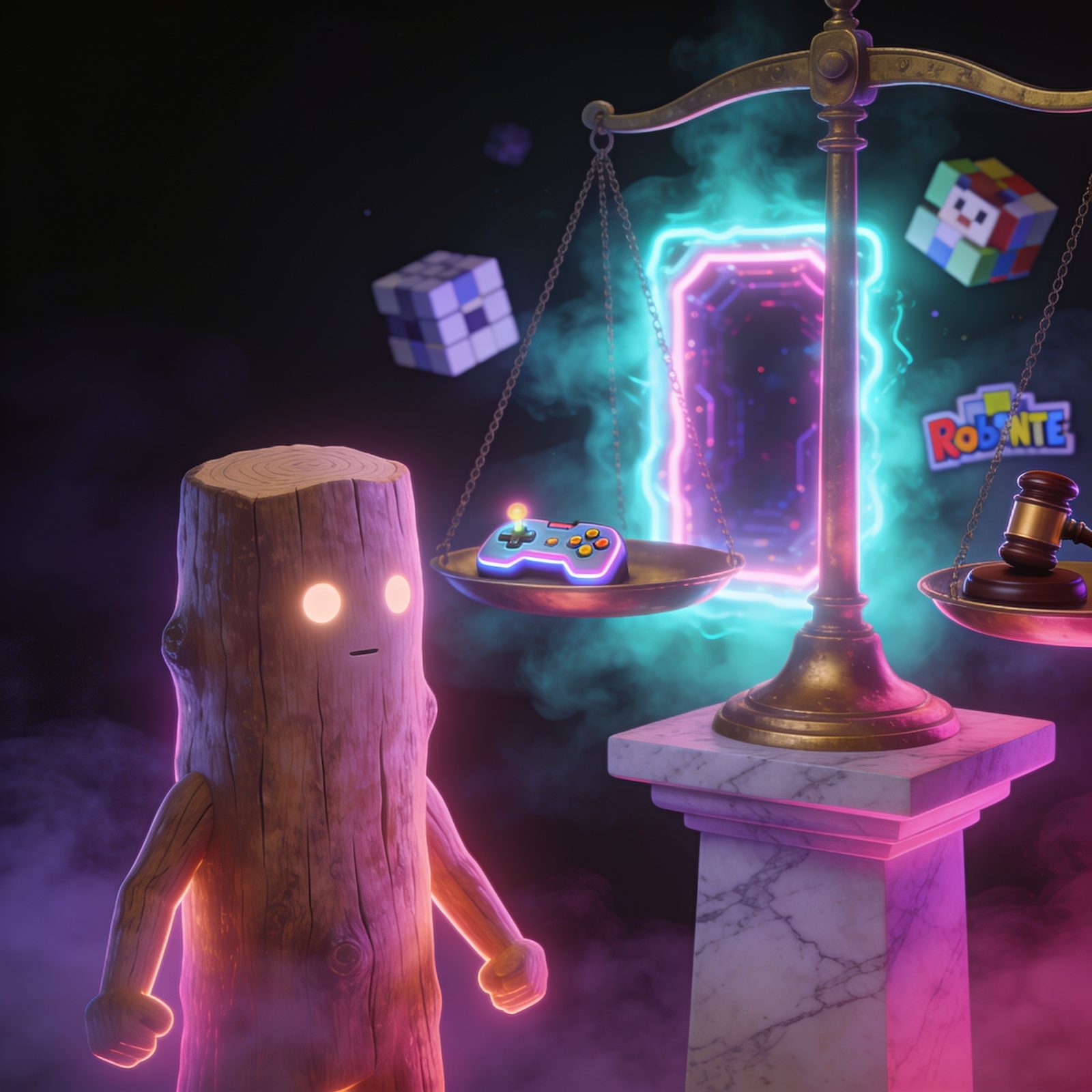
Here's the strange picture at the heart of Spyder Games LLC and Speedy Simulator Gaming LLC v. Mementum Lab (5:25-cv-10248, now before Judge Noel Wise in the Northern District of California): a character the whole internet has been freely remixing, screenshotting and dropping into games is being argued in federal court as though it were a corporate logo.
The character is Tung Tung Sahur — the wooden log with feet, a vacant smile and a baseball bat, born in 2025 when Indonesian TikToker Noxa (Fernanda Bagas Indrastata) ran a handful of AI image prompts. Culturally Indonesian but filed under the "Italian brainrot" meme family, it travelled the world before anyone tried to own it. Mementum, a French outfit that says it represents a large slice of brainrot creators, claims it now licenses the name and likeness — and on April 24, 2026 it hit back in court with trademark counterclaims.
The core question, in plain English: can a thing that went viral as a free meme be turned into a brand? Trademark law protects names and images that tell shoppers where a product comes from, the way a swoosh says "Nike." It does not care, the way copyright does, whether a human was the author. So Mementum argues the character works as a source identifier, pointing to its U.S. trademark application and licensing deals that put Tung Tung Sahur and Ballerina Cappuccina into Fortnite as purchasable skins in early April — Epic's Brian Sharon confirmed to GamesBeat they were "licensed from Brainrot Factory," Mementum's licensing brand. The irony wasn't lost on players, who voted the brainrot skins among the game's worst cosmetics and, by some accounts, pledged to hunt anyone wearing them.
Spyder and Speedy push back: a fictional character is creative content, they argue, and pointing trademark law at it is a backdoor way to control creative content — that's copyright's job, and copyright is exactly where the AI-authorship problem kills the claim. Even if Mementum had rights, they add, they were watered down by the meme's uncontrolled reuse all over the internet.
Trademark is the fresher and more interesting front. The copyright side was partly defused when Mementum issued a covenant not to sue over certain in-game uses; the trademark claims are what push the case toward the real question of whether a viral meme can become proprietary branding at all. Legal experts like Faegre Drinker's Olivia Clavio told Law360 that an AI-generated character could in theory function as a trademark, because the test is consumer perception, not how it was made. At the September 23 hearing in San Jose, no ruling was made public, and a trial is eyed for late November 2027.
The stakes reach far beyond one log with a bat. Whoever wins shapes who gets paid when brainrots show up as Fortnite skins, Roblox games like Steal a Brainrot, or plushies on a shelf. For now these are party arguments and open questions, not settled law. For more on how this era is being priced and packaged, Stacksignal has been following the tangle closely.